
Last Updated: November 1, 2026
Quick Summary
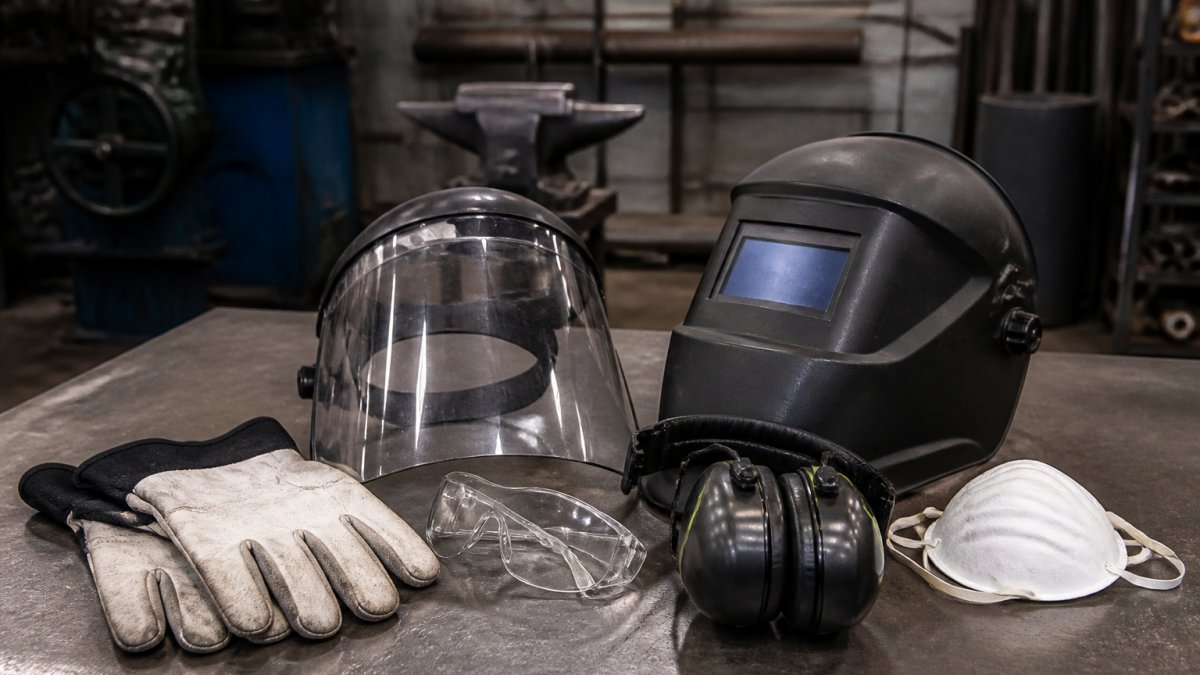
Metal shop PPE requirements are set by a documented hazard assessment of each workstation, not by a supplier catalog. Guards, ventilation and safe work procedures come first, and PPE covers only what remains. Build a task-by-task matrix that separates minimum PPE from conditional add-ons, then post it at each station.
- Run a four-question walkthrough at each machine covering eyes, hands, breathing and body hazards.
- The minimum PPE column is non-negotiable; conditional add-ons are confirmed at the workstation.
- Wear no loose gloves near lathes, drill presses or any rotating parts.
- Wear a face shield over safety glasses, never instead of them.
- Ventilation at the arc beats wearing a respirator for a full welding shift.
Table of Contents
- Start With a Hazard Assessment, Not a Shopping List
- The Metal Shop Safety Checklist: Task-by-Task PPE Matrix
- Eye Protection and Face Shields: Flying Particles and Splash Hazards
- Grinding Safety Equipment: Guards, Shields and the Gear That Goes With Them
- Hand Protection: Glove Selection by Machine and Task
- Welding PPE Requirements: Helmet, Lens, Leathers and Respiratory Controls
- Hearing Protection, Safety Footwear and High-Visibility Clothing
- PPE Inspection and Maintenance: Fit, Storage and Replacement Cycles
- Frequently Asked Questions
Start With a Hazard Assessment, Not a Shopping List
Most metal shops buy metal shop PPE backwards. They order a case of safety glasses and a box of gloves, hand them out, and call it a safety program. That approach fails because protective gear requirements for metal shops depend on the task, not the catalog.
A hazard assessment is a documented review of each workstation that identifies what can hurt a worker and what protection that risk demands. In Canada, employers have a legal duty to assess hazards and control them. Provincial occupational health and safety regulations, such as those enforced by WorkSafeBC or the Ontario Ministry of Labour, Immigration, Training and Skills Development, require PPE as the last line of defense after engineering controls. You can read the general duty framework through Employment and Social Development Canada’s occupational health and safety guidance.
The order matters. Guards, ventilation, and safe work procedures come first. PPE covers what remains.
At IBEX Enterprises, we supply abrasives and protective gear to fabrication and woodworking shops.
The Four-Question Walkthrough for Every Workstation
Run this at each machine and bench, and write the answers down:
- What can strike the eyes here: sparks, chips, fluid, or dust?
- What can reach the hands: sharp edges, heat, or rotating parts?
- What does the worker breathe: metal fume, dust, or solvent vapor?
- What does the body meet: hot metal, sharp stock, or traffic?
The answers build your gear list.
The Metal Shop Safety Checklist: Task-by-Task PPE Matrix
A metal shop safety checklist works best as a matrix, not a single list. Different tasks expose workers to different hazards, so the minimum PPE requirements change station by station.
| Task | Eyes and Face | Hands | Body and Feet | Hearing and Head | Conditional Add-Ons |
|---|---|---|---|---|---|
| Grinding and cutting | Safety glasses plus face shield | Cut-resistant gloves | Leather apron, safety shoes | Earplugs; hard hat if overhead work | Respirator for dust or metal fume; flame-resistant sleeves for heavy spark load |
| Welding | Welding helmet with auto-darkening lens; safety glasses underneath | Welding gloves with gauntlet cuffs | Leathers, safety boots | Earplugs in shared bays | Fitted respirator where fume extraction is inadequate; flame-resistant cap for overhead work |
| Sheet metal handling | Safety glasses | Cut-resistant gloves | Long sleeves, safety shoes | As needed | Cut-resistant sleeves for long stock; high-vis if lift trucks share the aisle |
| Parts washing | Goggles or face shield | Chemical-resistant gloves matched to the chemical | Chemical apron | Ventilation first | Face shield over goggles for splash-heavy work; respirator if the product emits vapor |
| Overhead crane work | Safety glasses | General-purpose gloves | High-visibility clothing | Hard hat | Hearing protection if the bay is loud; never loose gloves near the load |
| Machining (lathe, drill press, mill) | Safety glasses; face shield for chip fly | No loose gloves near rotating parts; tight-fitting gloves only where the task allows | Short sleeves or fitted cuffs, safety shoes | Ear protection as needed | Chip guard or shield; never wear rings, watches, or drawstrings near the spindle |
| Manual deburring and finishing | Safety glasses | Cut-resistant gloves | Apron, safety shoes | As needed | Dust mask for fine particulate; barrier cream if solvents are used |
Two rules make the matrix work. First, the minimum column is non-negotiable, it is the floor, not a suggestion. Second, the conditional column is decided at the workstation, not in the office: the worker and supervisor confirm which add-ons apply before the task starts.
Build the matrix from your hazard assessment, not from a supplier catalog. Start with the four-question walkthrough in the first section, then map each answer to a row. If a task has no row, it has no documented PPE requirement, add one before the task runs.
When you source abrasives and finishing supplies for each task, IBEX Enterprises can help you find the consumables you need. Browse the metal fabrication category to source supplies for each task. Request a quote for current availability.
Eye Protection and Face Shields: Flying Particles and Splash Hazards
Safety glasses are the baseline for every task in a metal shop, and face shields add a second layer for impact and splash hazards.
Flying particles from grinding and cutting are the most common eye injury source in fabrication.
Watch out: workers who flip their face shield up while the grinder is still spinning take sparks directly to the eye.
Prescription Eyewear and Fit Compatibility
Workers who wear prescription glasses face a fit problem. The Edge safety glasses overview shows models to compare for fit. Standard safety glasses worn over prescription frames can fog, slip, and leave gaps at the sides.
Three workable options:
- OTG safety glasses that fit over prescription frames
- Prescription safety eyewear with rated lenses
- Goggles with a prescription insert
Fit matters as much as rating. A gap at the temple lets particles in.
Grinding Safety Equipment: Guards, Shields and the Gear That Goes With Them
Grinding safety equipment starts at the machine, not the worker. The wheel guard, the tool rest, and the spark deflector are the first controls.
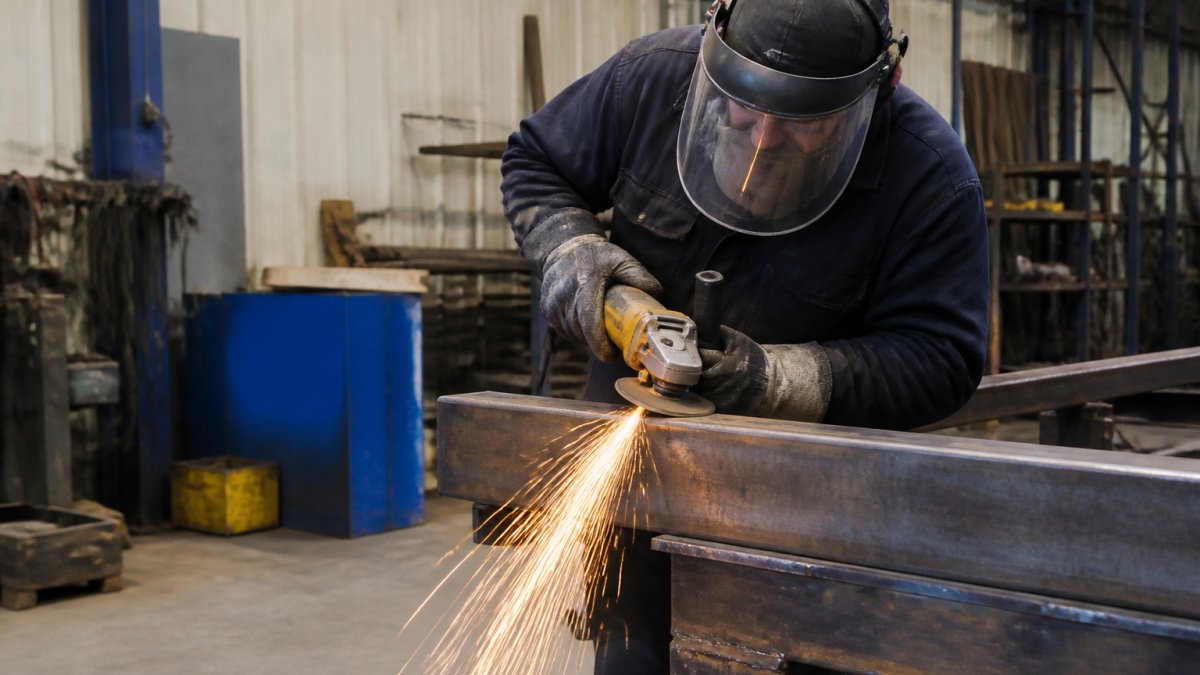
Maintaining this level of vigilance remains just as critical when transitioning from grinding tasks to the precise requirements of spot weld equipment.
A common mistake is fitting a larger wheel than the guard allows. The guard no longer covers the arc, and the risk of injury climbs fast.
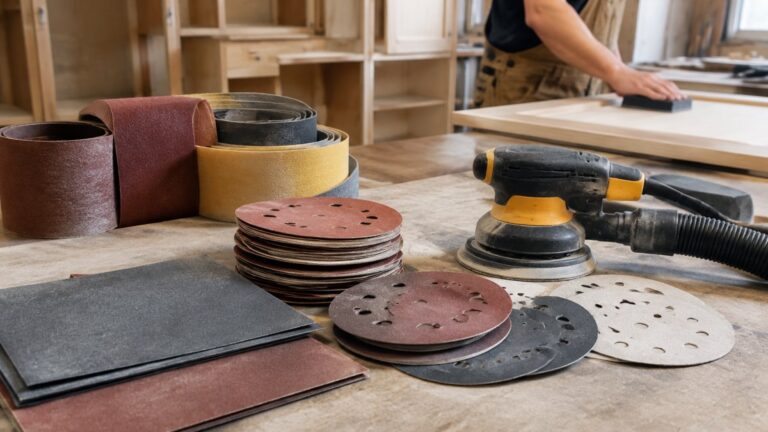
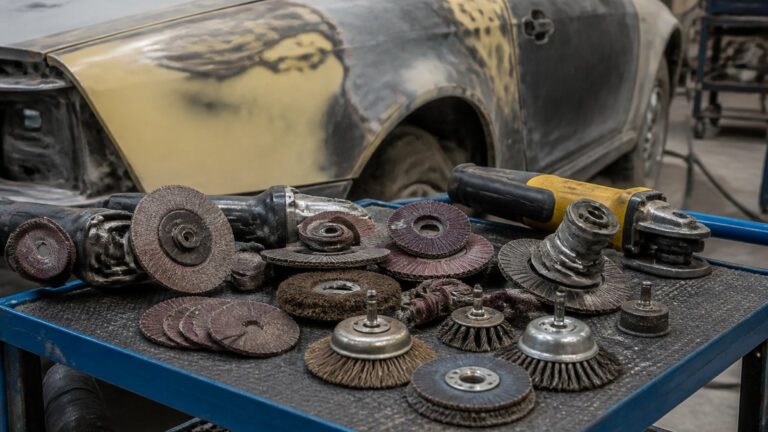
Pair guards with the right abrasives for your tool. See the grinding discs and metal finishing abrasives that pair with guards and shields.
Hand Protection: Glove Selection by Machine and Task
Gloves are not one-size-fits-all, and the wrong glove creates new hazards. The core trade-off in a metal shop is simple: gloves protect against heat, sharp edges, and chemicals, but they can become an entanglement hazard around rotating machinery. Getting that trade-off right is the difference between a glove that saves a hand and one that pulls it into a spindle.
The Entanglement Rule
Any machine with a rotating shaft, spindle, chuck, or feed roll, such as lathes, drill presses, milling machines, conveyors, and roll formers, can catch a loose glove, cuff, or sleeve and pull the hand in. At those machines, the safe practice is usually no gloves, or tight-fitting gloves with no loose cuffs, gauntlets, or drawstrings. Long gauntlet cuffs belong on welding gloves, not on a lathe.
Glove Selection by Task
Use this logic to match the glove to the hazard, not to the catalog:
- Cut-resistant gloves for sheet metal, sharp edges, deburring, and glass or coated stock. Look for cut-resistance ratings on the label and replace them when the coating wears through.
- Leather welding gloves with gauntlet cuffs for welding and hot metal handling. Leather resists spatter and heat but offers little cut resistance, so do not substitute it for a cut-resistant glove on sharp stock.
- Chemical-resistant gloves for parts washing and caustic chemicals, matched to the specific chemical. A glove that resists one solvent may swell or pass another; check the manufacturer’s chemical-resistance chart rather than guessing.
- Insulated gloves for electrical work, rated to the voltage and inspected before each use. Never use a general-purpose glove for electrical protection.
Fit, Inspection, and Replacement
A glove only protects if it fits and is intact. A cut, pinhole, or worn fingertip defeats the protection, and a glove that is too loose catches on stock or machinery. Inspect gloves before each use, store them clean and dry, and replace them on a schedule rather than waiting for a visible failure. Chemical gloves need particular attention: a pinhole that is invisible to the eye can pass a solvent for a full shift.
Do not wear gloves near a lathe, drill press, or any rotating tool unless the task and the machine guard make it safe. A glove that protects against a sharp edge can be the reason a hand is pulled into a chuck.
For the abrasives and finishing consumables that pair with these tasks, request a quote from IBEX Enterprises.
Welding PPE Requirements: Helmet, Lens, Leathers and Respiratory Controls
Welding PPE requirements cover more than a helmet. The arc flash, the fume, and the spatter each need their own control.
The basics:
- Welding helmet with an auto-darkening lens, set to the correct shade for the process
- Leathers covering arms, torso, and legs
- Welding gloves with gauntlet cuffs
- Safety glasses under the helmet for chipping slag
Ventilation comes first. Fume extraction at the arc beats a respirator worn all shift. Where extraction is not possible, a fitted respirator with the right filter is the fallback.
Hearing Protection, Safety Footwear and High-Visibility Clothing
Hearing protection is the most ignored item on the shop floor.
Earplugs suit most grinding and cutting bays. Earmuffs work better for intermittent exposure, and some workers double up.
Protective footwear belongs in every metal shop. Safety shoes with a steel or composite toe protect against dropped stock and hot metal.
High-visibility clothing matters wherever forklifts or overhead cranes move. If a worker shares space with a lift truck, they wear high-vis.
PPE Inspection and Maintenance: Fit, Storage and Replacement Cycles
Metal shop PPE inspection and maintenance is where most programs quietly fail. Gear that is cracked, fogged, stretched, or dirty stops protecting anyone, and workers stop trusting it.
Build simple habits:
- Inspect before each use. Check lenses for cracks, straps for stretch, gloves for cuts.
- Fit every worker. A hard hat or respirator that does not fit leaves a gap.
- Store gear clean and dry. Damp storage ruins lens coatings and glove liners.
- Track replacement cycles. Scratched lenses and thinning gloves need swapping, not saving.
A common mistake is treating PPE as a one-time purchase. It is a consumable, and it needs a replenishment rhythm.
Frequently Asked Questions
What PPE is required in a metal shop?
It depends on the task, but a baseline metal shop PPE setup includes safety glasses with side shields, hearing protection, safety footwear and task-specific gloves. Add a face shield for grinding, a welding helmet and flame-resistant clothing for welding, and high-visibility clothing where vehicles or cranes operate. Document the requirements in a hazard assessment and a written metal shop safety checklist so every worker knows what applies at each station.
How do you choose gloves for metalworking tasks?
Match the glove to the hazard, not the job title. Leather or cut-resistant gloves suit handling sharp sheet edges and hot metal; insulated gloves are for heat exposure; chemical-resistant gloves for solvents and caustic chemicals. Never wear loose gloves near rotating machinery such as drill presses or lathes, because the fabric can catch and pull the hand in. Check fit at the wrist and fingertips, and replace gloves once they are cut, stiff or contaminated.
How often should metal shop PPE be inspected or replaced?
Inspect PPE before every use and log formal inspections at least monthly. Replace safety glasses when lenses are scratched or cracked, hard hats after a heavy impact or when the shell is chalky, and earplugs daily. Welding helmets and auto-darkening lenses need the lens and headgear checked for cracks and the shade setting verified. Set replacement intervals in your PPE inspection and maintenance schedule rather than waiting for a failure.
Do metal shop workers need hearing protection?
Yes for most grinding, cutting and hammering tasks. Angle grinders, chop saws and plasma cutters routinely push noise above the level where hearing protection is required, and hearing damage accumulates without pain as a warning. Provide earplugs or earmuffs rated for the measured noise level, train workers on correct insertion, and include hearing protection in the metal shop safety checklist for every powered tool station.
Every metal shop we work with faces the same challenge: keeping the right protective gear in stock without tying up time on ordering. At IBEX Enterprises, we take that off your plate with automated recurring shipments, purchase order support that fits your accounting process, and rapid reordering from a personalized dashboard. Get started with IBEX Enterprises and keep your crew protected and your shop running.

1 thought on “Metal Shop PPE: What Protective Gear Do Metal Shops Really Need?”